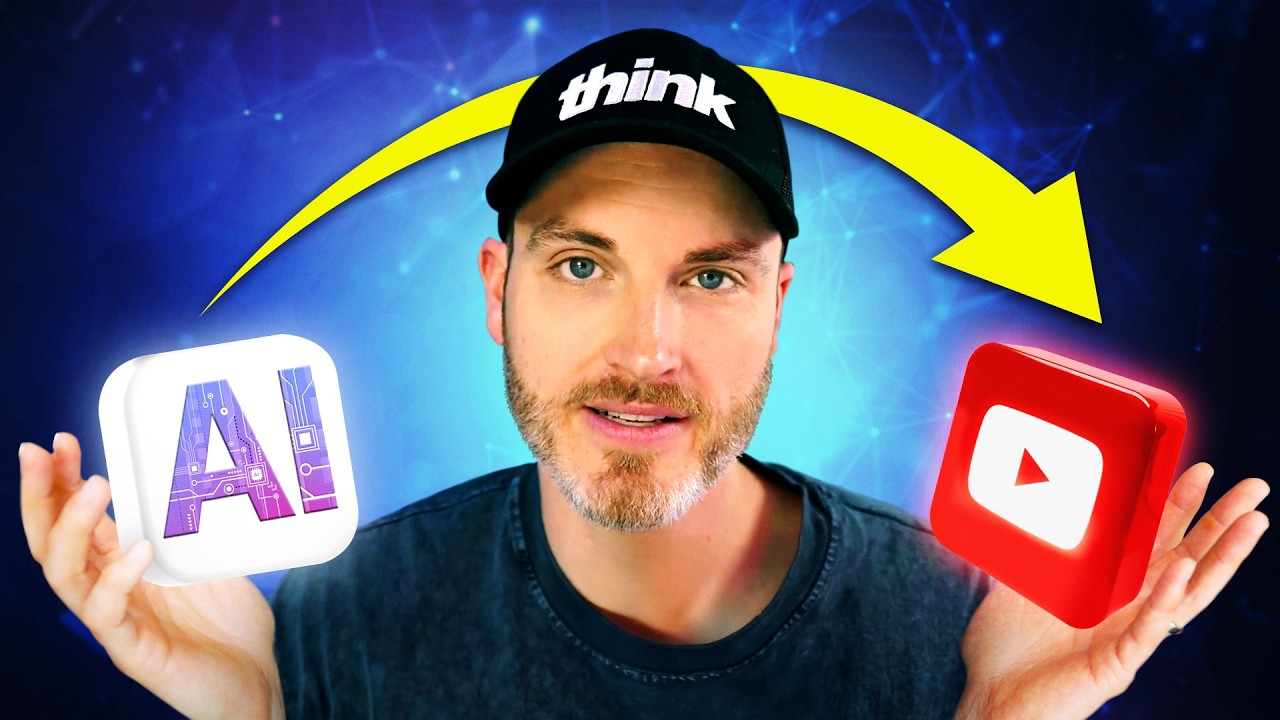
Creating videos has often been perceived as a task reserved for those with advanced editing skills or a hefty budget for professional help. Fortunately, technology is here to save the day, especially with advancements in artificial intelligence. No longer do you need to spend countless hours learning how to edit or fumbling through confusing software interfaces. With AI technology, crafting engaging videos from text can be as simple as typing out a few sentences.
The Rise of Text-to-Video Technology
Imagine transforming your blog post into a compelling video that can capture attention on social media or serve as an informative piece for your audience. This is where text-to-video technology comes into play. By utilizing AI video generation tools, anyone can easily convert written content into dynamic visual presentations. These tools analyze your text and automatically generate corresponding visuals, making the process incredibly user-friendly.
For instance, platforms like Pictory and Lumen5 allow users to input their scripts or articles and then select relevant images and video clips from extensive libraries of stock footage. The result? A polished video ready for sharing in mere minutes. This shift has opened up opportunities not only for content creators but also for small businesses looking to enhance their marketing strategies without breaking the bank.
How It Works: The AI Video Generation Process
The mechanics behind turning text into video are surprisingly straightforward. Here’s a typical workflow you might encounter when using an AI video generator:
Input Your Text: Start by entering your script or article into the platform. Some tools even allow you to paste in URLs or upload text files directly.
Choose Visual Elements: After analyzing your text, the software suggests images, clips, and animations that complement your content. You have the option to customize these selections based on your preferences.
Add Voiceovers: Many AI tools come equipped with voiceover capabilities, allowing you to choose from various accents and tones so that your video sounds just right.
Customize & Edit: While extensive editing isn’t necessary, you can adjust elements like timing, transitions, and background music to better fit your style.
Publish & Share: Once satisfied with your creation, simply export it in the desired format and share it across platforms like YouTube, Facebook, or Instagram.
This seamless process means that anyone—from bloggers aiming to repurpose existing content to marketers needing quick promotional videos—can harness the power of AI without prior experience.
Popular AI Video Generators Worth Exploring
While many options exist in the market today, some stand out due to their ease of use and features:
- Lumen5: Ideal for beginners; this tool offers drag-and-drop functionality along with numerous templates tailored for various social media platforms. Pictory: Great for long-form content; it excels at breaking down articles into digestible video snippets while also providing automatic captions. Animoto: Known for its user-friendly interface; it lets users create slideshows from photos and videos quickly while adding music tracks from its library. InVideo: Offers robust editing capabilities; perfect for those who want more control over their final product without diving deep into traditional editing software. Wave.video: Combines video creation with social media marketing features; it’s particularly useful for creating ads and promotional material.
Exploring these platforms can lead to discovering which one best suits your needs based on features and usability.
Maximizing Engagement with Your Videos
Creating visually appealing content is only half of the battle; ensuring that it resonates with your audience is crucial too. Here are some tips:

- Keep It Short: Attention spans online are notoriously short. Aim for videos under two minutes long when possible. Use Captions: Many viewers watch videos without sound on social media platforms; adding captions ensures they still get the message. Include Clear Calls-to-Action (CTAs): Whether you want viewers to visit your website or subscribe to your channel, make sure there’s a clear next step.
By integrating these practices into your video strategy, you increase the likelihood of engagement and shares—ultimately broadening your reach.
Limitations and Considerations
While AI-driven video creation is revolutionary, it's essential to acknowledge its limitations. These tools may struggle with nuanced storytelling or complex narratives that require human creativity and intuition. As such, using them as aids rather than replacements is often wise—especially when conveying intricate brand messages or emotional stories.
Additionally, relying solely on stock footage may limit authenticity in representation unless thoughtfully curated. Striking a balance between automated solutions and personal touches will yield more effective results.
Conclusion
The world of video creation is evolving rapidly thanks to AI technology aimed at simplifying processes previously thought too complicated for novices. With tools designed specifically for transforming text into engaging visual stories available at our fingertips, creating captivating content has never been easier—or more accessible—for everyone from entrepreneurs to educators.
https://coda.io/@rohan-mac/heygen-avatar-iv-reviewSo whether you're looking to breathe new life into old blog posts or develop fresh marketing materials without delving into editing software intricacies, embracing this innovative approach will set you apart in today's digital landscape while saving time—and sanity—in the process!